


Could it be… dare I say it… (we’ve turned a corner with the weather?). It’s been absolutely stunning this week, and I hope you’ve been enjoying it as much as I have.
It’s free to support The Teesside Lead, just click to subscribe for free, or share the articles you read!
Get in touch if you have any story tips at teesside@thelead.uk or via Bluesky.
Leigh
Yesterday the Chancellor announced £1.7bn of extra funding to accelerate growth in the North of England. Funds were allocated to mayoral combined authorities in Greater Manchester, Liverpool, West Yorkshire, South Yorkshire and the North East. That is, the North East Combined Authority, not the region. Tees Valley was not given additional funding.
Rachel Reeves also announced she would be consulting with mayors ahead of her Autumn budget speech to give mayors more fiscal devolution. Watch this space to see if that includes Ben Houchen.
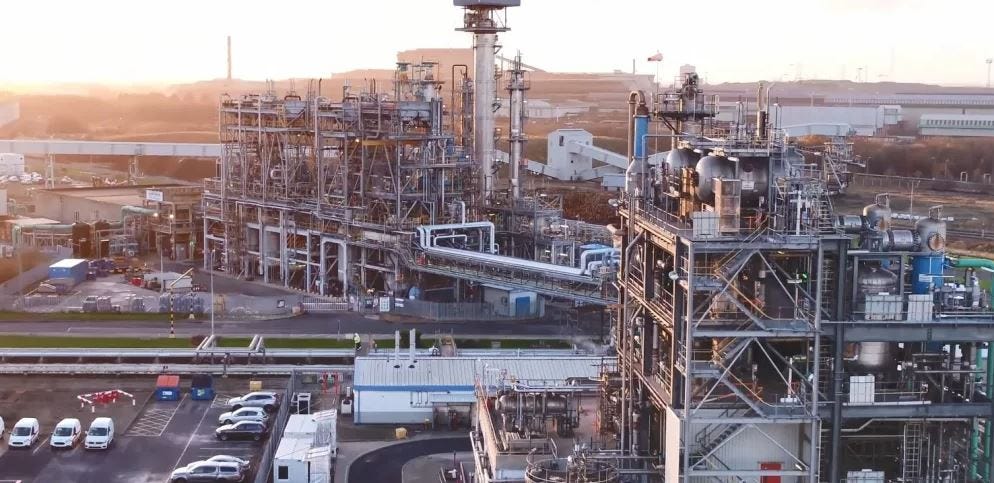
Teesside’s long, proud history as a centre for the chemical industry could be one step closer to ending, as another site at Wilton near Redcar threatens to close.
The Huntsman chemical factory, which is one of the last remaining parts of what was ICI, could become a victim of high energy prices caused by the war in Iran.
Chairman and CEO, Peter Huntsman, said: “If today’s economics were to stay in place for the next three months, I would shut down my [UK] facility and I’d be importing product from China or the United States.”
He added that raw materials in the UK were between five and seven times more expensive than elsewhere. The plant produces aniline, a chemical with countless uses in manufacturing.
“Four years ago, my lowest cost aniline in the entire world came from the UK. That’s how recently I was competitive,” said Huntsman. “Right now, this week, it is the most expensive.”
Huntsman’s factory employs around 80 people.
It was confirmed at the start of this year that AEQUITAS had bought SABIC’s chemical plant at the Wilton site, after their Olefins cracker was closed last year. Around 300 people work at that site.
Peter Huntsman said the UK and EU were uniquely exposed to volatile energy prices. “You’re not seeing this in China, America or the Middle East, surprisingly, where the war is,” he said.