


A bit of a departure to the usual format for today’s Teesside Lead.
Over the last few weeks I’ve been making trips to Hartlepool to see what’s happening as part of huge ecological restoration projects across the north east. You might have heard me yesterday morning on BBC Radio Tees talking about oysters, and in a few weeks you’ll hear me on the World Service following the journey of some seagrass.
Today’s edition is a look into those stories with some extra bits not included on the radio.
If you want to support my work as a freelance journalist subscribe to The Teesside Lead for free (or become a paid subscriber if you’re in a position to), or just as important, share what you read.
If you have anything you want me to poke my nose into, get in touch at teesside@thelead.uk or via Bluesky.
Leigh
🏭 Liberty Steel is hoping to complete the sale of its Hartlepool pipe plant by the end of this week. At the time of press there was no official news, but watch this space. I reported on the urgent sale at the start of this month.
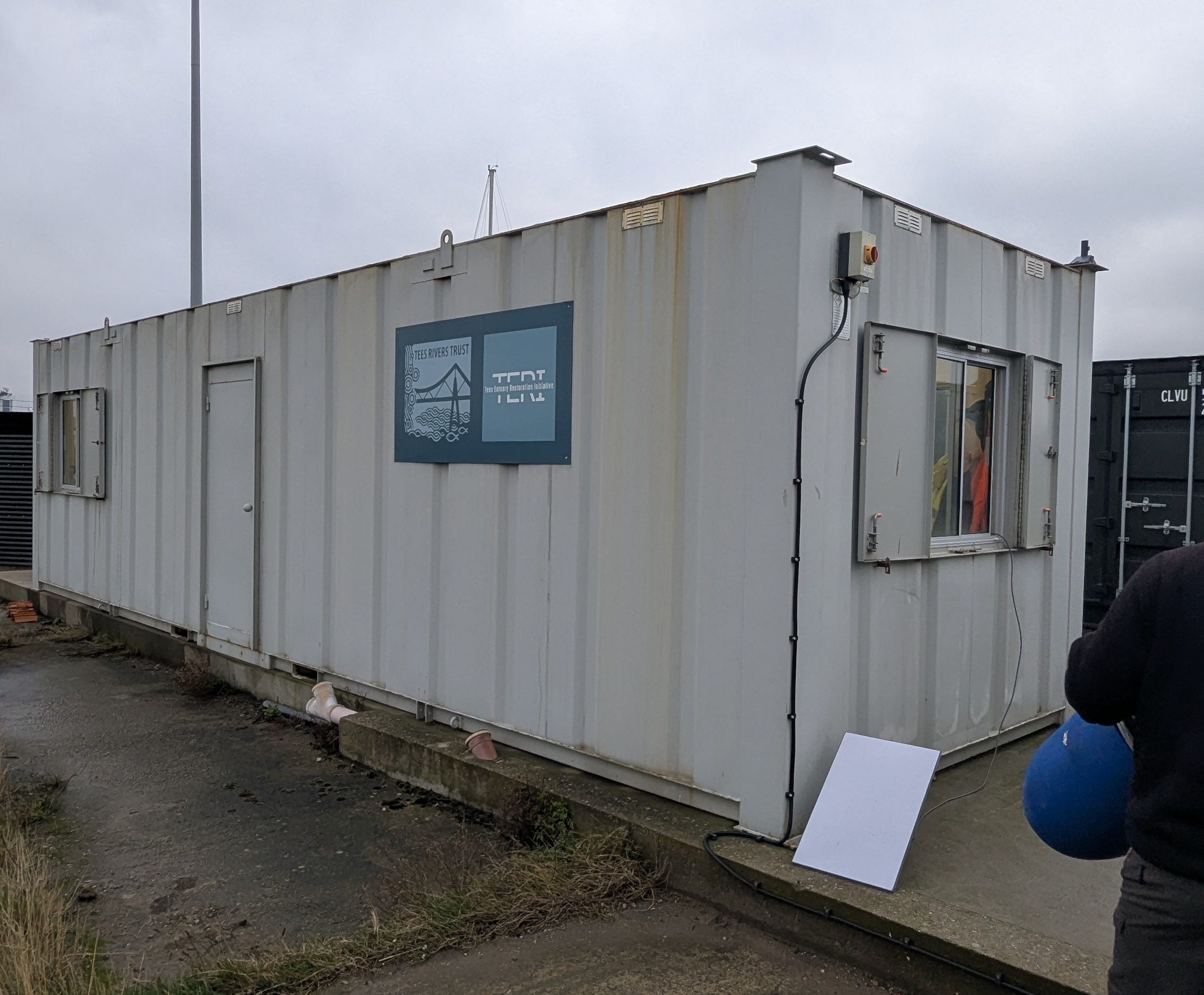
On a disused patch of land down at Hartlepool’s docks, between the faded grandeur of the town’s red brick buildings and the fishermen’s pontoon, there’s a compound.
Shipping containers are surrounded by palisade fencing topped with razor wire, and security cameras at each corner.
I’m led into one of those shipping containers. The sight as the door creaks open is about as suspicious-looking as you’d expect.
Along one side of the container there are shelving units up to the ceiling, the sort you’d put up in your own garage. But instead of old tins of paint, each shelf has its own lights along the length of it, shining down onto trays on the shelf beneath. The sound of water pumps whirrs non-stop.
It looks dodgy, but it’s the cutting edge of science. Here at the Tees Estuary Restoration Initiative - TERI - natural solutions are being developed to restore the river and protect it from coastal erosion. It’s a site which is run by the Tees Rivers Trust.
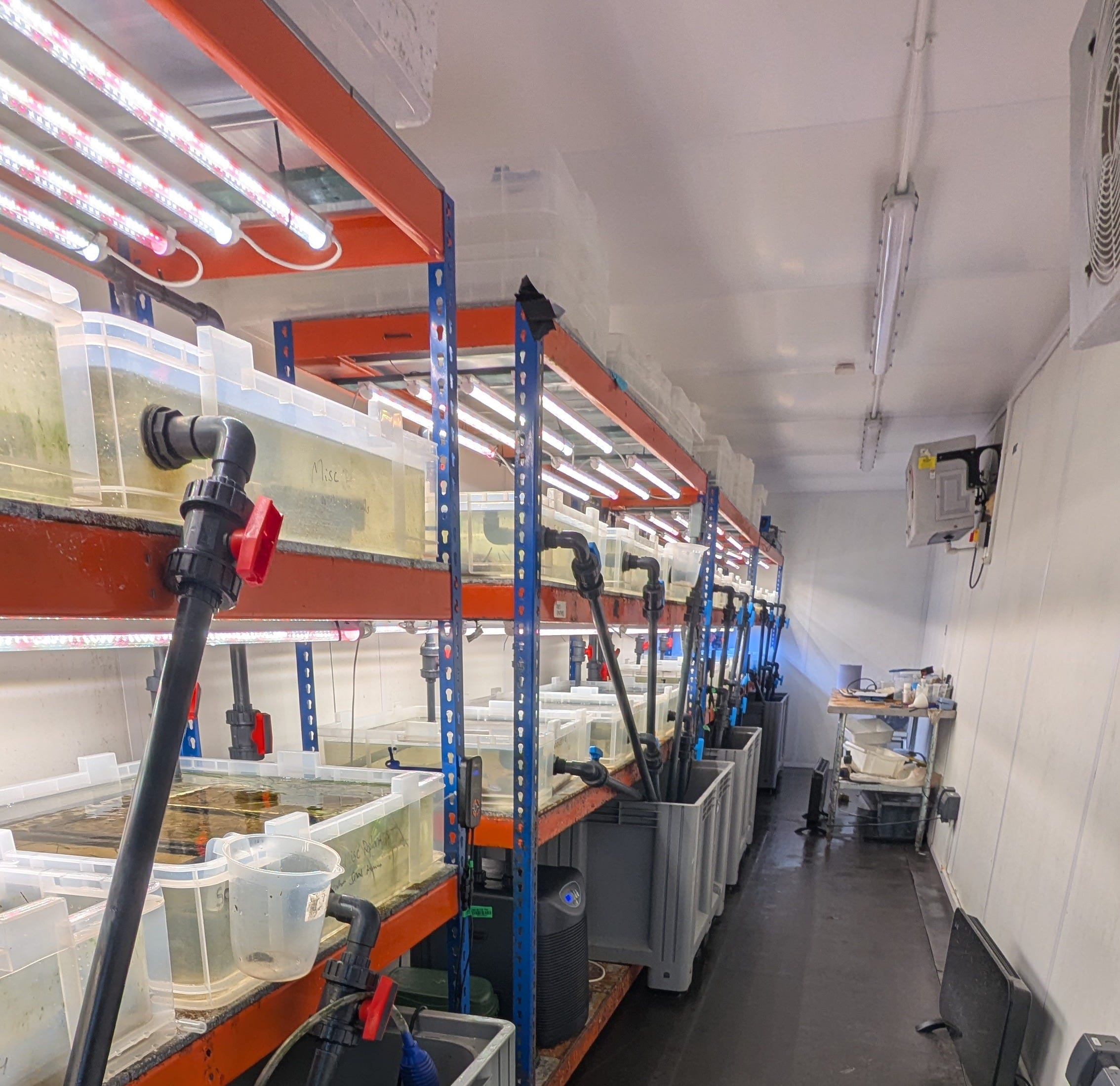
This is TERI’s seagrass nursery, where the marine plant is being grown for different projects across the North East. Many of the plants have been grown from seeds gathered from Lindisfarne, where seagrass meadows still thrive.
The lights and pumps change depending on the time of day, meaning the fledgling seagrass in the trays is only covered in water for half of the day, as it would be when the tide comes in and out. The water itself is pumped into the site from the nearby docks.
Seagrass was common around British shores, but industrialisation, disease and trawling were all factors to contribute to its decline in the twentieth century.
Because of the matt-like structure formed by the plant’s rhizomes and roots beneath the surface of the seabed, it’s thought reintroducing seagrass species will help protect against coastal erosion, as the stronger surface will help dissipate energy in storm or surge events.