


I’ve been following the Timms review and the reaction around it closely since it was announced earlier this year. When the interim findings were published last week I wanted to understand more about how local people experienced the system and whether they felt this was represented.
The Teesside-based charity, Difference North East, responded to the review’s call for evidence after consulting with people across the region. For this week’s edition, the organisation’s policy manager, Charlotte Hall, spoke to me about how the national findings reflect what she heard from disabled people here in Teesside.
You can read the full story from my interview with Charlotte below.
As the first findings from a major review of the government’s Personal Independence Payment scheme reveal it is ‘no longer fit for purpose’, disabled people told a Teesside charity the system left them feeling ‘humiliated’, ‘anxious’ and ‘disbelieved’.
The Timms Review of Personal Independence Payment (PIP) - the first comprehensive examination of the PIP since its introduction over a decade ago - was launched earlier this year after backbenchers blocked the passing of the Universal Credit Act which proposed a more extensive reform of the welfare system.
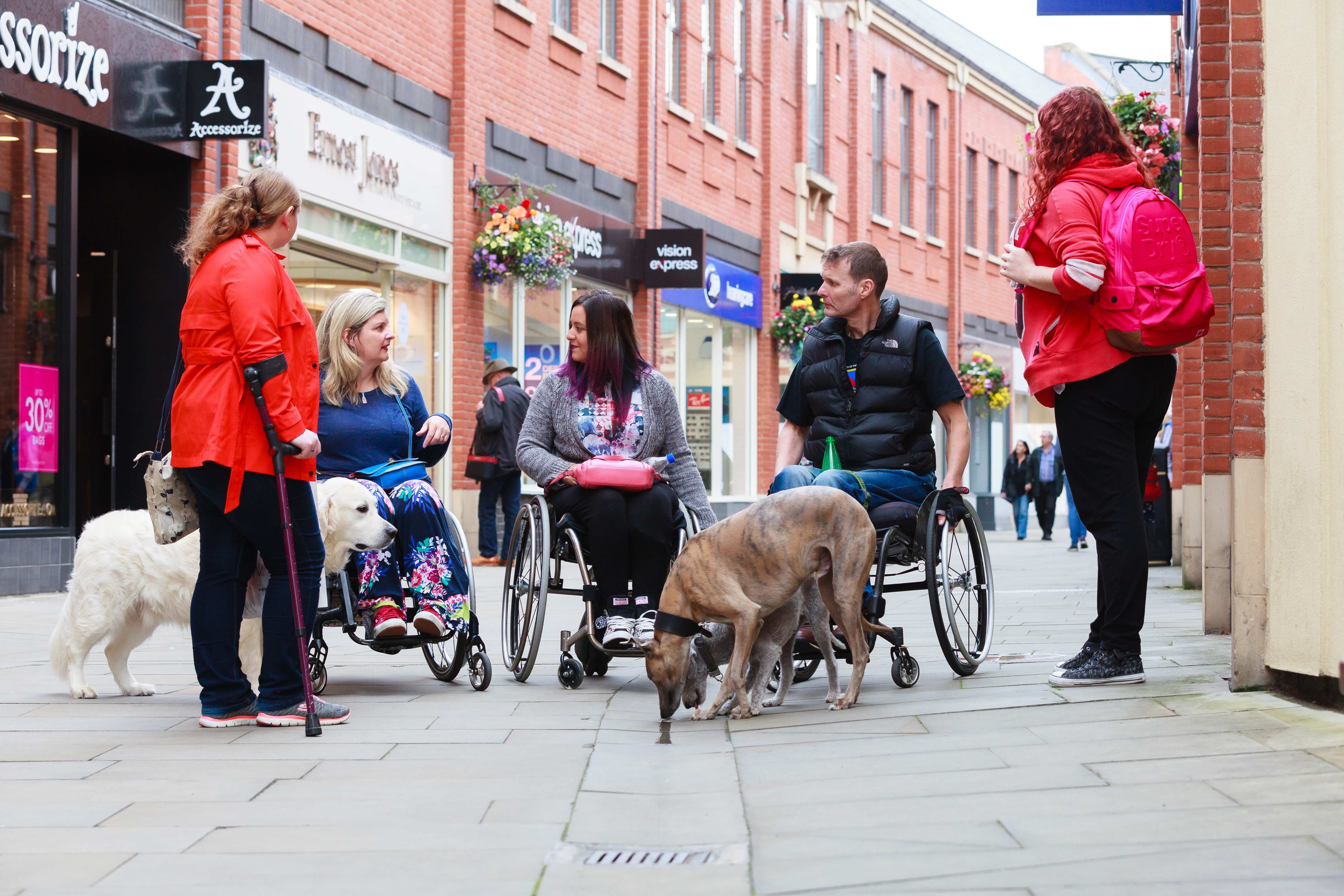
Around 10 million people (24%) of working-age people now report living with a disability, compared with under 17% in 2013/14. As of April 2026, around four million people were receiving PIP in England and Wales, with government spending increasing from £14.4 billion to £23.8 billion in real terms between 2020 and 2025.
Following a Call for Evidence that collected over 38,000 responses from disabled people, carers, organisations, and others with experience of the system, the report describes a process that ‘fails to reflect real-life impacts’, particularly for those with multiple or fluctuating conditions.
‘Humiliated’, ‘disbelieved’, ‘treated like a fraud’
The Teesside-based policy and campaigning organisation, Difference North East, says this reflects what disabled people have repeatedly told them.
“I wasn’t surprised by anything,” policy manager Charlotte Hall told Teesside Lead. “It was really reflective of everything that we hear in the North East.”
The organisation submitted evidence to the review in May, after consulting with disabled people across the region.
Over a quarter of a million people are claiming PIP across the North East, including almost 70,000 within the Tees Valley, the highest number of claimants for any region, despite being the smallest by population size.
Within the Tees Valley, Stockton-on-Tees has the largest PIP caseload (17,500), followed by Middlesbrough (15,497), Redcar and Cleveland (14,132), Hartlepool (11,607) and Darlington (8,702).
Many reported ‘pressure’ to justify their impairment and support needs, communication and accessibility barriers, emotional impacts related to lengthy or difficult assessment, and questions ‘not capturing the realities’ of their everyday lives. Neurodivergent people were strongly represented among respondents.
“Words like ‘humiliated’, ‘stressed’, ‘anxious’, ‘disbelieved’, and ‘treated like a fraud’, were consistent in almost every response that we had,” says Charlotte.
“People were going in worried about what was going to happen. Some felt unprepared, some left feeling they hadn’t been able to say what they wanted to say, and some said if felt like they were being tricked.”
As one individual said: “The whole process feels like it is set up to catch you out and to deny you PIP.”
According to Difference North East the high levels of PIP claimants in the region reflects the higher levels of long-term ill health, disability and deprivation. PIP is a ‘lifeline’ for many people here, who would lose their independence without it.
“It wasn’t a surprise to me when I saw that the number of people claiming had gone up, as everything else around them has declined over the past decade,” Charlotte adds.
“Disabled people value PIP. Its the system that isn’t working for anybody.”