


At the end of a week that some have described as a ‘watershed moment’ for violence against women and girls, today’s edition looks more closely at the experiences of those in Teesside.
The findings from the latest Cleveland Police and Crime Commissioner consultation into women’s safety — that the vast majority feel unsafe in the region at night — are staggering, but sadly, not surprising. It rings alarmingly true for many of us, particularly Beth McLean, founder of Women’s Street Watch Boro, who spoke to me about the intimidation and harassment volunteers witness every weekend in Middlesbrough.
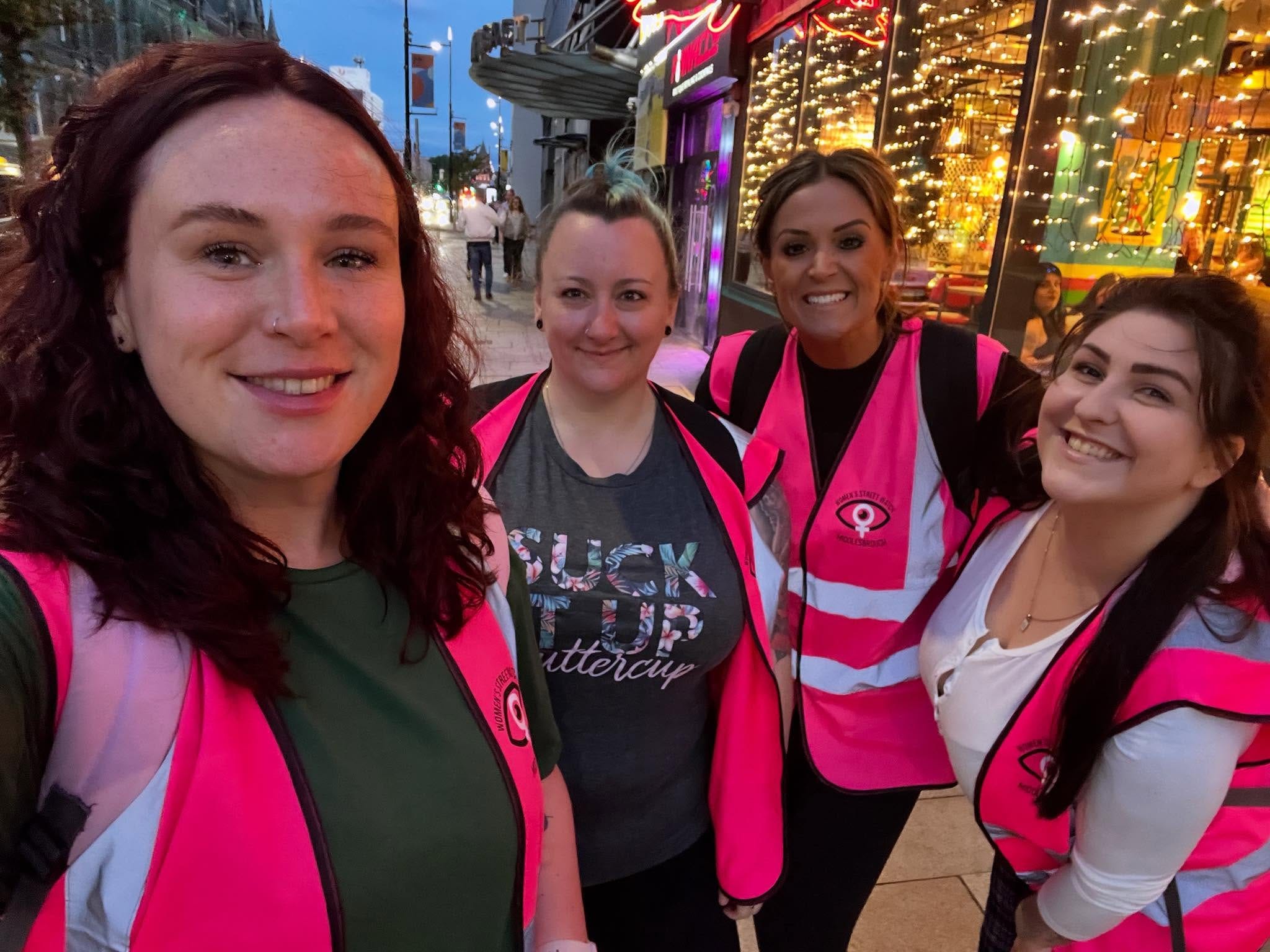
Avoiding certain locations, not going out after dark, and carrying personal safety devices are just some of the lengths women in Cleveland go to, to try and stay safe.
A recent consultation by the Cleveland Police and Crime Commissioner (PCC) revealed that out of almost 2,800 women and girls living in the police force area, the majority feel unsafe in town centres (87%) and parks and green spaces (87.1%) after dark.
Respondents highlighted Middlesbrough, Stockton, Redcar and Hartlepool town centres as the places where they felt least safe, with antisocial behaviour, visible drug and alcohol use, intimidation and harassment as some of the main factors highlighted.
Overall, it was men’s behaviour, the report highlights, that most made women feel unsafe across Cleveland, with harassment described as a ‘routine’ and ‘normalised’ part of life.
More than half of respondents said they had experienced sexualised comments (50.1%), while others reported inappropriate gestures (42.2%), being followed (26.5%) or unwanted physical contact (17.8%).